Architectural & Perimeter Systems
HOG WIRE FENCE
For public projects
Built to Spec, Documented to Spec, Delivered on Schedule
CSI Division 32 31 29 — Welded Wire Fence | Serving General Contractors on Public Procurement Projects
At Secure Public Fence, we install commercial-grade hog wire fence systems for public sector projects — regional and community parks, nature preserves, trail corridors, riparian buffer zones, public botanical gardens, school outdoor learning environments, and civic amenity spaces. We work exclusively as a fence subcontractor to General Contractors. Every hog wire installation we deliver is specified and documented to the commercial grade your public project requires — correct wire gauge, correct weld specification, correct post schedule, correct coating — with a complete submittal and closeout package built for public procurement.
For public projects
The Preferred Open-Visibility System in Public Specs
For public projects
Designed for Your Scope Review & Estimating Process
Submittal preparation and scope review support built into every specification we deliver.
Division 32 31 29 — Welded Wire Fence
The governing CSI specification section for all welded wire fence requirements on public procurement projects. Some specs incorporate this system into 32 31 13 or 32 31 16 depending on the primary structural material — we confirm the correct section with you before bid day.
ASTM A185 / ASTM A82 — Welded Wire Mesh
ASTM A185 governs welded steel wire fabric; ASTM A82 covers the plain steel wire used in mesh fabrication. Mill certifications for both standards are included in the submittal package as standard deliverables.
9 ga (0.148") standard — 6 ga (0.192") heavy-duty option
Wire gauge is determined by project use intensity and owner specification. 9 ga is commercial-grade standard for parks and trail corridors; 6 ga is specified for high-traffic, large animal containment, or vandal-prone public locations.
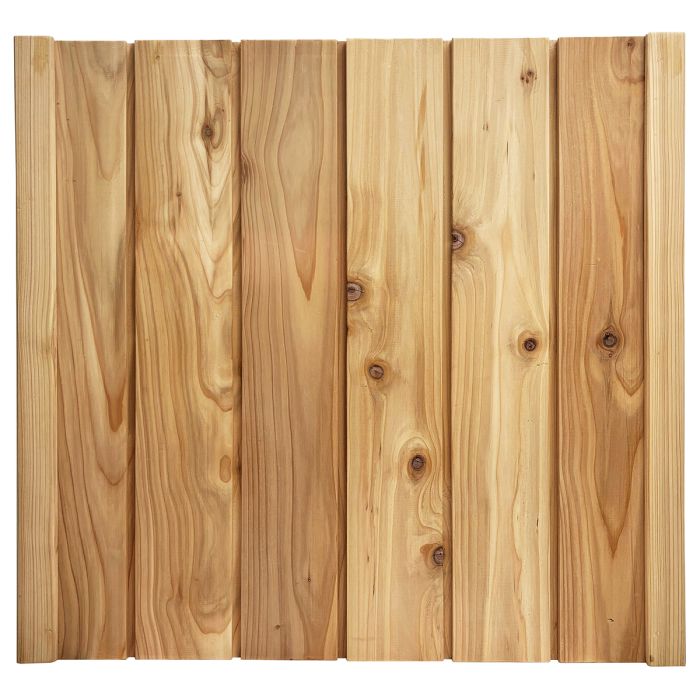
4"×4" standard — 4"×2", 2"×4", custom per spec
Grid opening is selected based on containment requirements, wildlife passage conditions, and design aesthetic. 4"×4" is the most common public park specification; smaller openings are used for small animal containment or horizontal-emphasis contemporary designs.
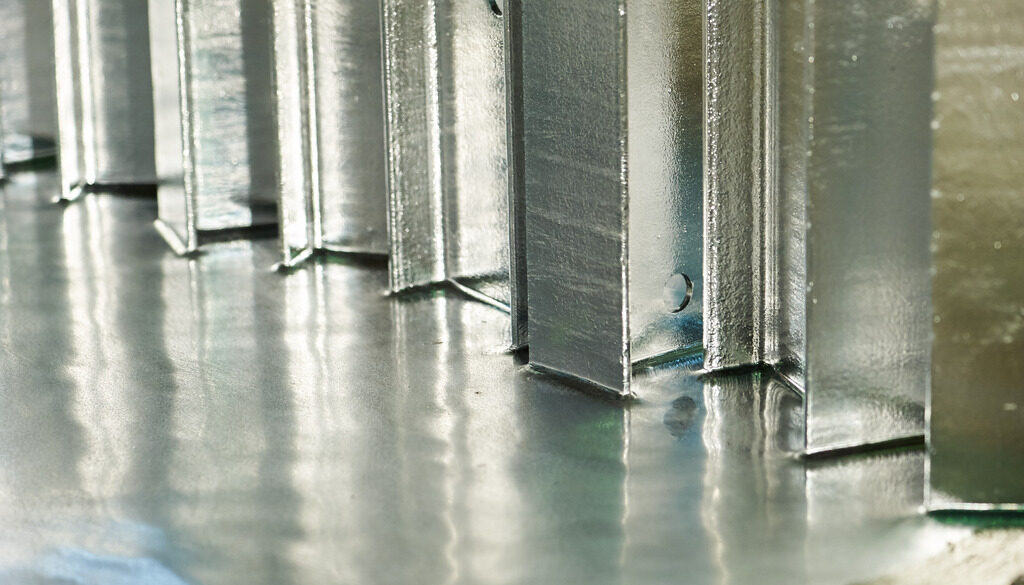
Class 3 hot-dip galvanized (ASTM A153) — PVC-coated over galvanized available
Coating specification is driven by environmental exposure and visual requirements. Black, dark green, and brown PVC coatings over galvanized are standard for naturalized sites where a recessive visual profile is required by the owner or design team.

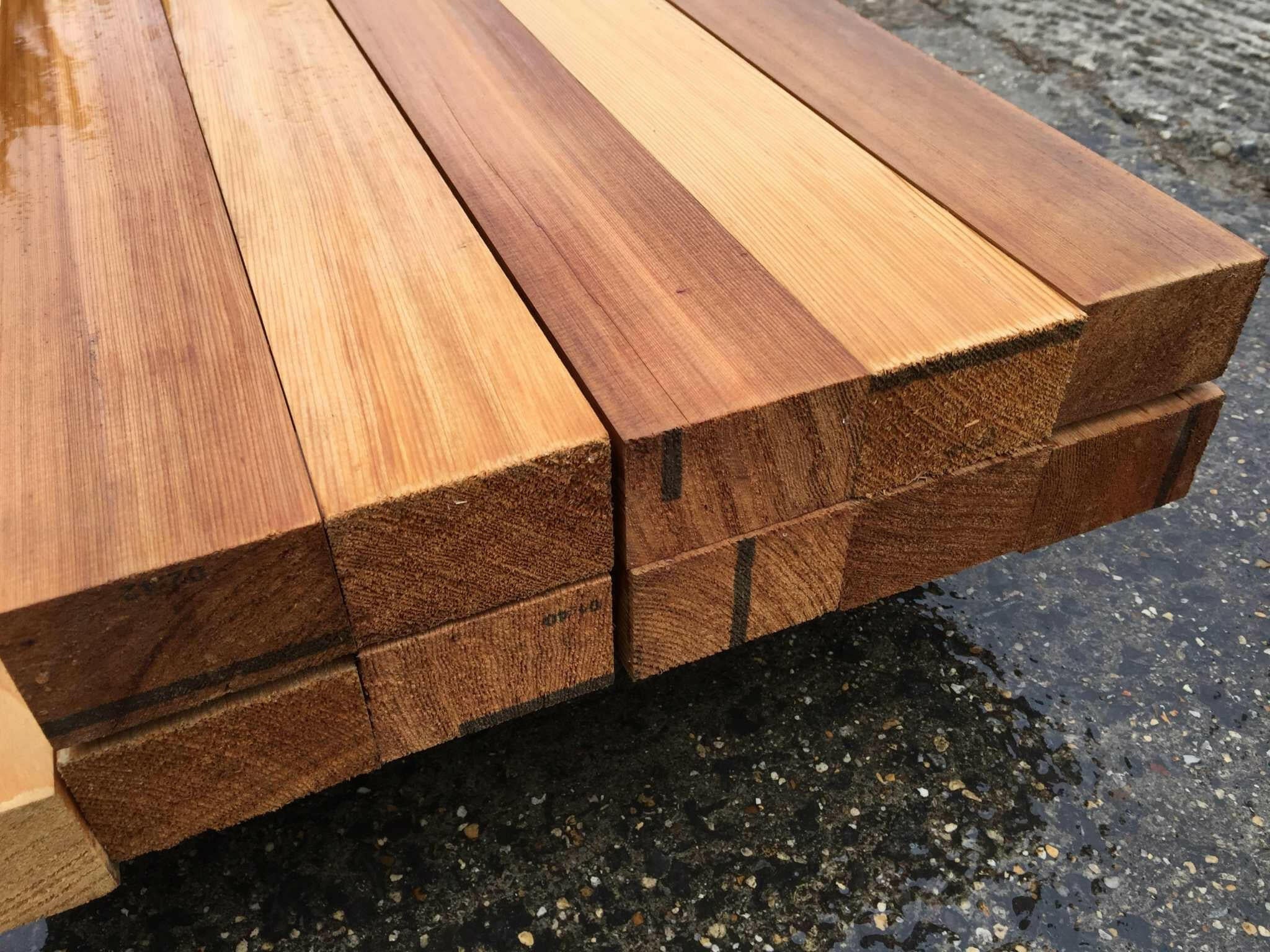
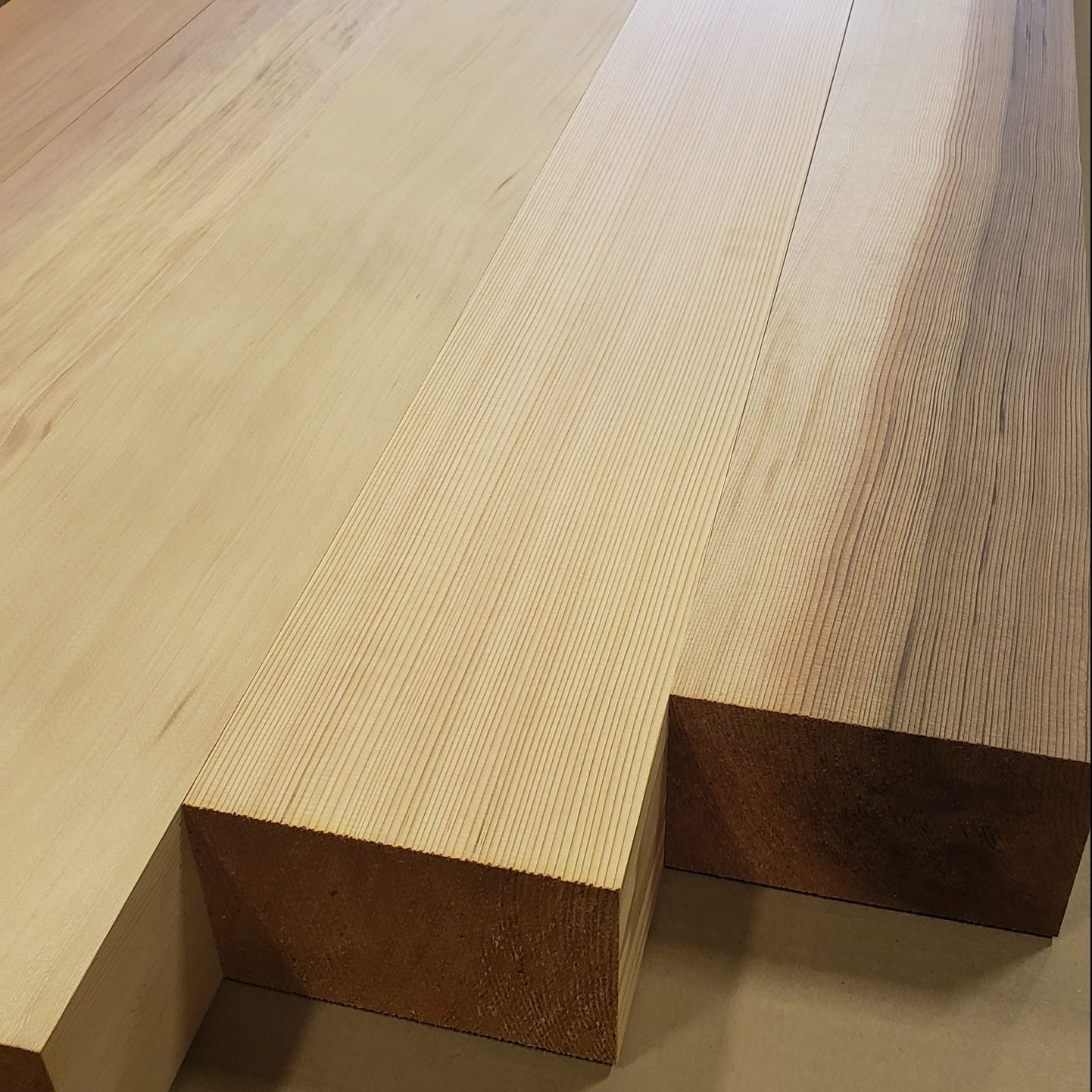
4×4 or 6×6 Western Red Cedar / Pressure-Treated (UC4B) / 2" OD Steel Pipe
Post material is selected based on environmental conditions, permit requirements, and owner specification. Cedar is preferred for naturalized areas; UC4B pressure-treated lumber for high-moisture or coastal zones; galvanized steel pipe for high-traffic or vandal-prone locations.
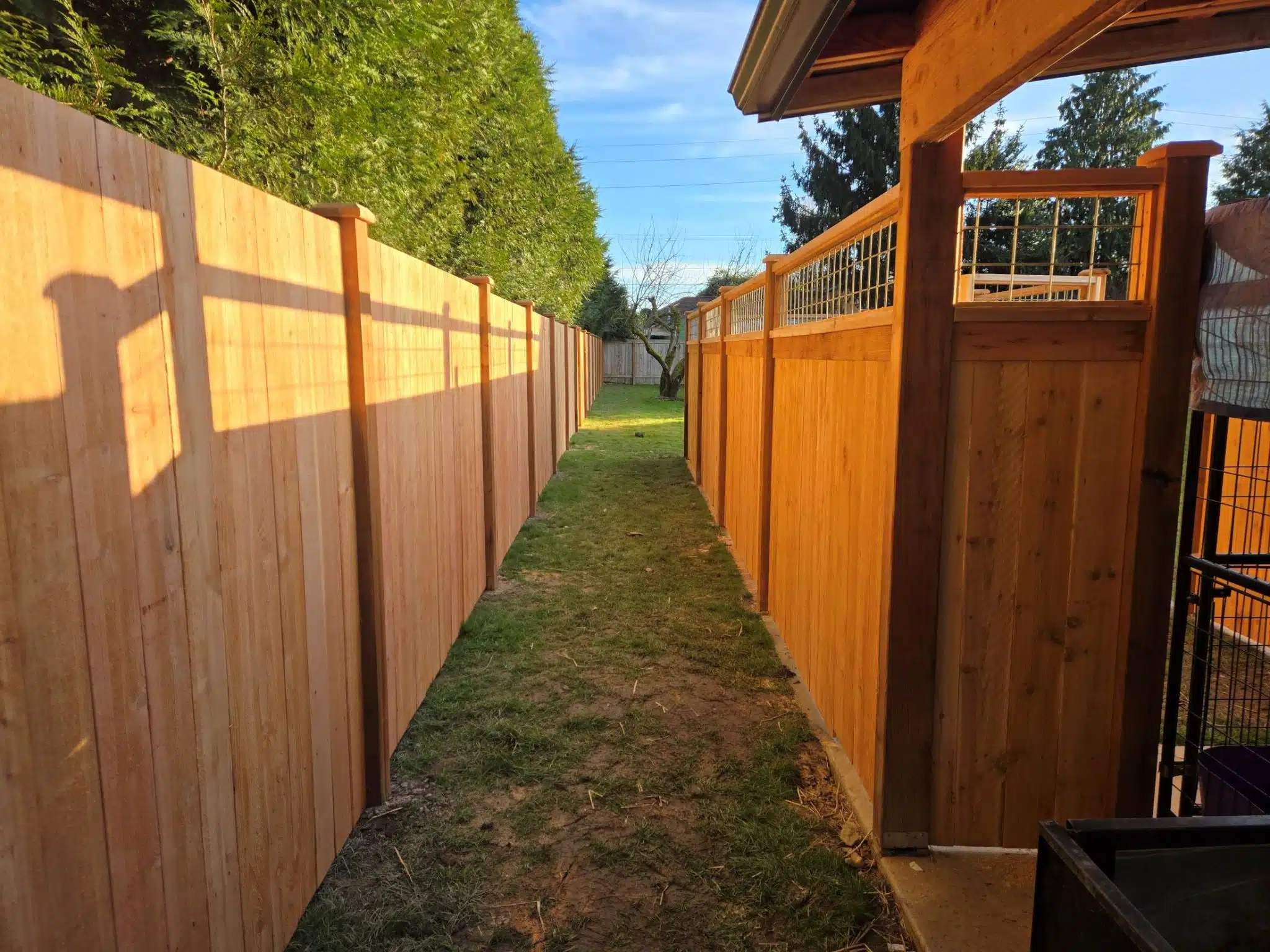
2×4 or 2×6 Western Red Cedar — Pressure-Treated available
Rail sizing is determined by fence height and post spacing. Top and bottom rail are standard; a mid-rail is added for heights of 60" or above, or as required by structural engineering or the project specification.
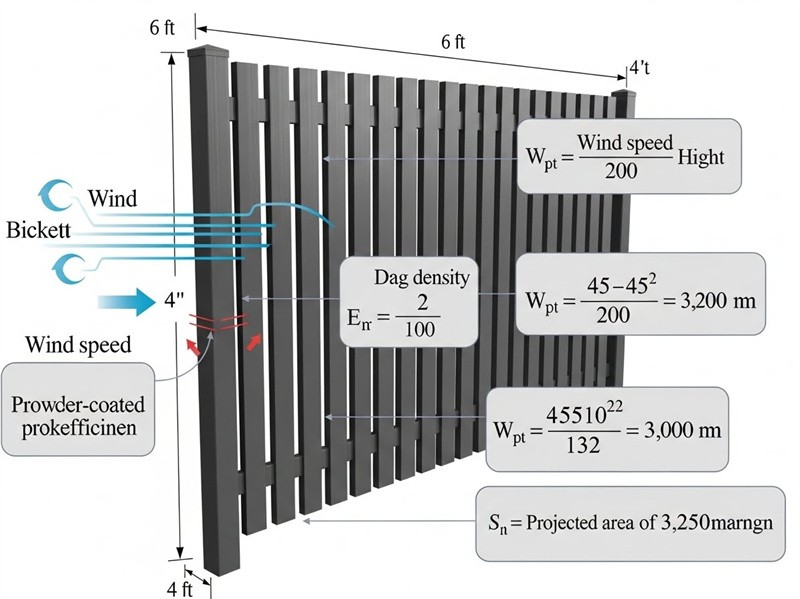
U-staples (wood frame) / Wire clips or tension wire (steel frame) — 12" O.C. max
Panel attachment method is determined by the post system. All attachment hardware is hot-dip galvanized or stainless steel, specified to match the corrosion resistance requirements of the wire mesh and post system.
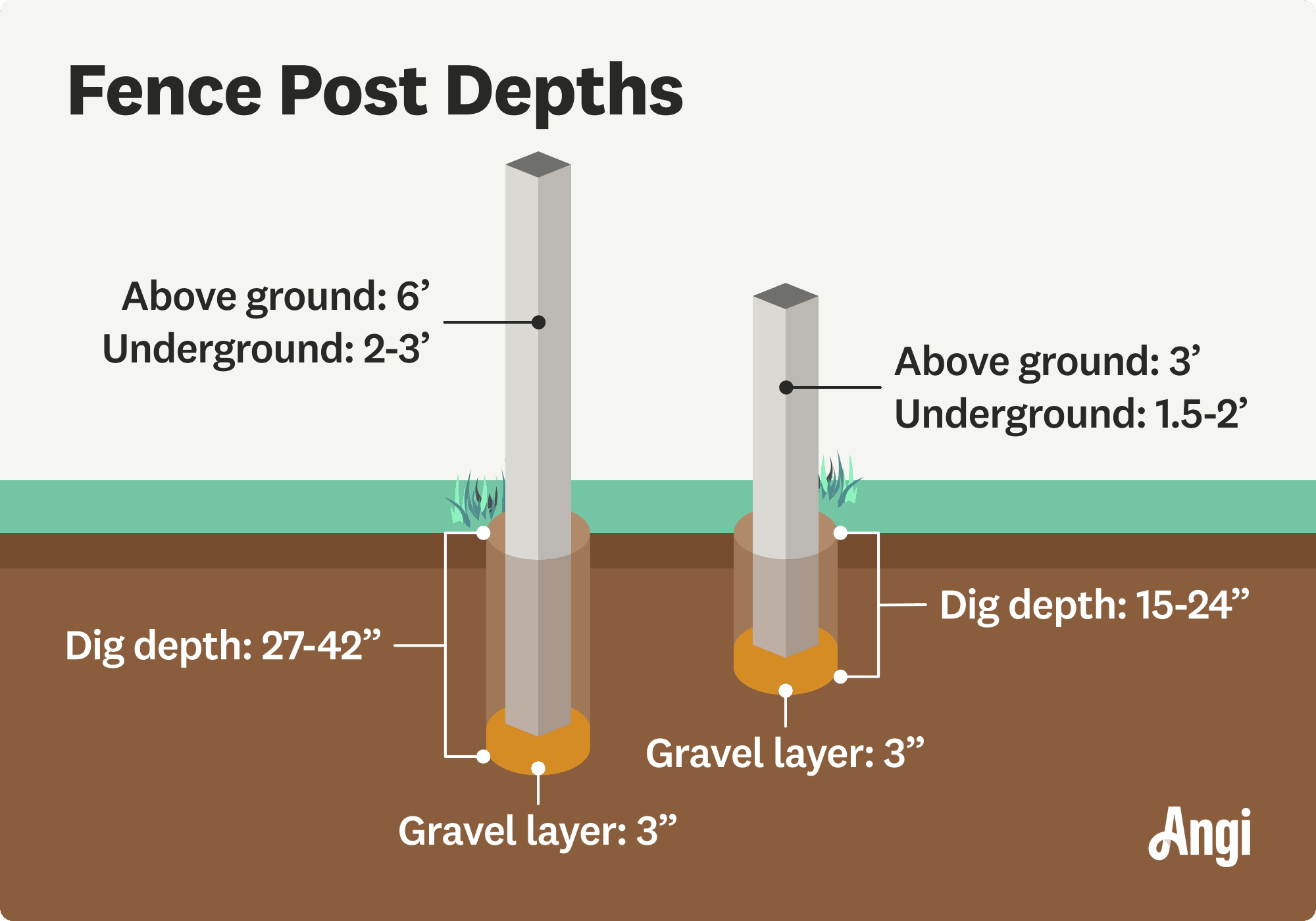
6'–8' O.C. standard — Concrete-set or helical anchors per site conditions
Post spacing is adjusted per panel width, post species, and structural engineering. Helical anchor installation is available for permit-restricted sites, sensitive soils, or locations where concrete footings are prohibited by environmental conditions.
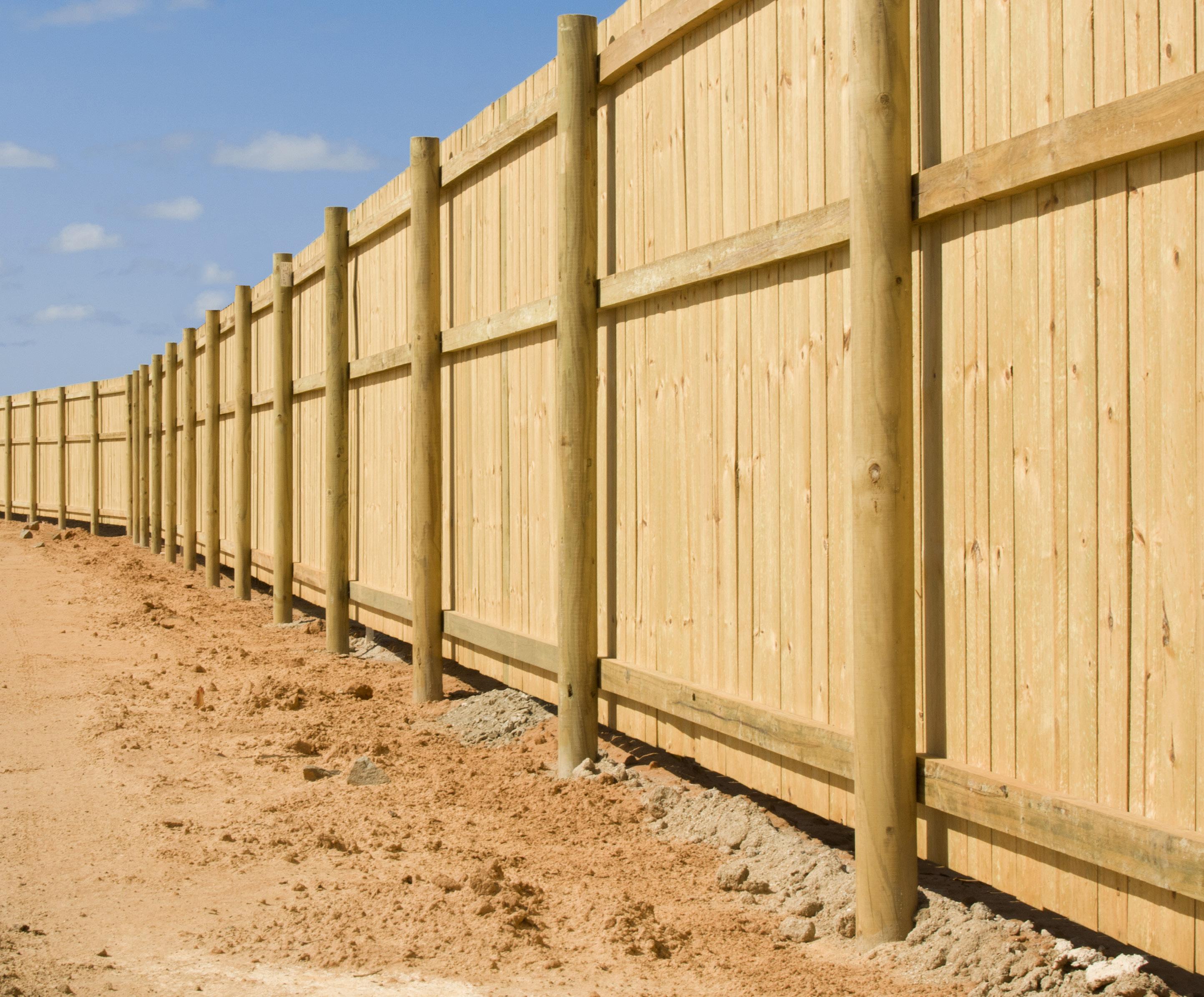
ASTM A185, A82, A153, F1083 — CPTED guidelines — LEED documentation available
All materials and installation methods meet or exceed applicable ASTM standards. LEED recycled content documentation for steel mesh panels and FSC chain-of-custody for wood components are available upon request for LEED-tracked public projects.
Available Configurations
Six System Types
Each configuration serves specific public facility use cases. Selection is typically driven by containment requirements, sight-line specifications, environmental permit conditions, and site context.
Helical Anchor Post Option — For Sensitive Soils & Permit-Restricted Sites
For projects in riparian buffer zones, restored native plant areas, or locations where environmental permit conditions restrict soil disturbance and concrete footings, we offer helical anchor post installation. This low-vibration, no-excavation method achieves required embedment depth while minimizing ground disturbance — protecting permit compliance and site restoration investment. All helical anchor installations are documented with torque logs for engineer verification and included in the submittal package.
Compliance & Documentation — CSI 32 31 16
First Submittal. No Re-Submissions.
Public projects require more than installation — they require a paper trail. Our submittal packages are organized to mirror CSI Division 32 31 29 exactly, covering the wire mesh panel, post system, and rail system as independently documented components.
Pre-Construction Submittals
Material cut sheets — wire mesh panels, posts, rails, hardware (all ASTM/species references included)
ASTM A185 / A82 mill certifications for wire mesh panels
Lumber species, grade, and treatment certification (Cedar or PT per spec)
FSC chain-of-custody documentation (when specified for LEED)
LEED recycled content letter for steel mesh components
Shop drawings — post layout, panel configuration, gate details, attachment schedule
Environmental compliance documentation — coating type, mesh opening, installation method (permit-conditioned sites)
Helical anchor torque specification (when no-dig installation is required)
Schedule of Values by CSI division
Davis-Bacon / Certified Payroll documentation
Certificate of Insurance with required additional insured language
During Construction
Material delivery tickets and mill cert / lumber cert chain-of-custody
Helical anchor torque logs (when applicable)
Agency environmental compliance field record (permit-conditioned sites)
Daily field reports available upon request
RFI response turnaround: 48 hours standard
Progress photos by phase and zone
Project Closeout Package
As-built markups
Written warranty documentation
Maintenance guide — wood treatment schedule, mesh inspection protocol
Gate hardware O&M documentation
Lien releases — conditional and unconditional
Environmental compliance summary (permit-conditioned sites)
Procore, Buildertrend, and major CM platforms supported
CO pricing within 48 hours — T&M work tracked with daily superintendent signatures
Where Hog Wire Fence Gets Specified
Public Facility Types We Serve
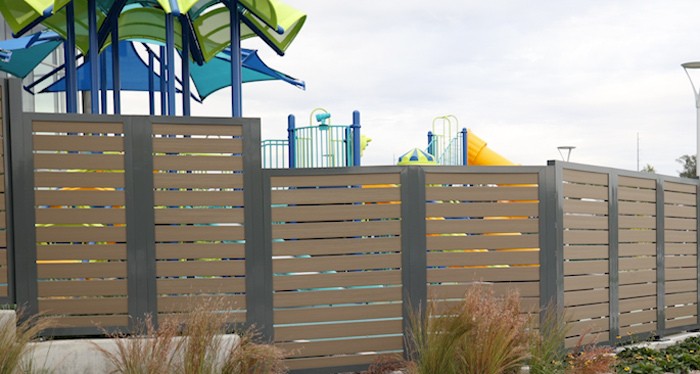
Regional & Community Parks
Trail corridor delineation, natural area buffers, habitat exclusion zones, maintenance yard perimeters, dog park enclosures — the most common hog wire public application.
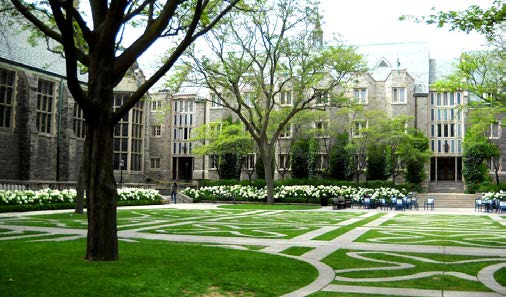
Nature Preserves & Open Space
Perimeter definition for habitat restoration zones, riparian buffer fencing, invasive plant exclusion barriers, and interpretive area separation — environmental compliance documentation typically required.
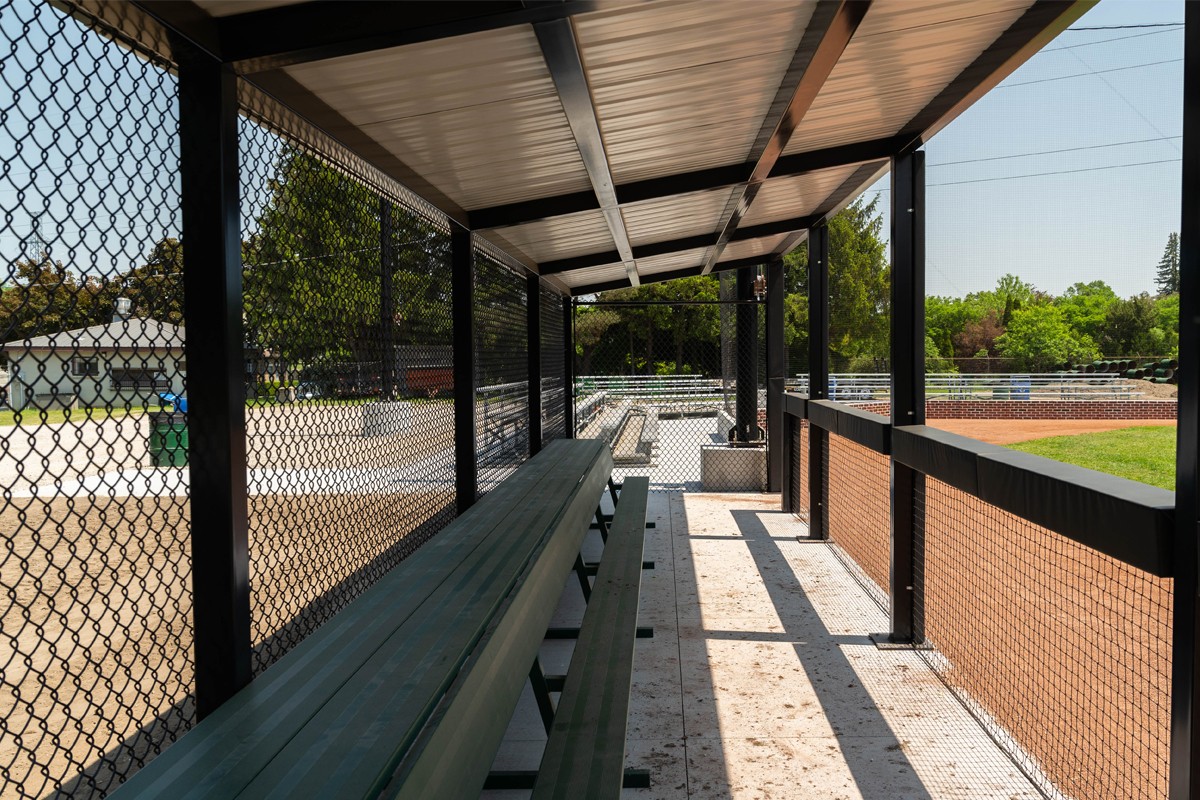
K–12 & School Outdoor Learning
Garden enclosures, outdoor classroom perimeters, native plant demonstration areas, and small animal habitat exhibits — low visual impact, child-safe mesh sizing.
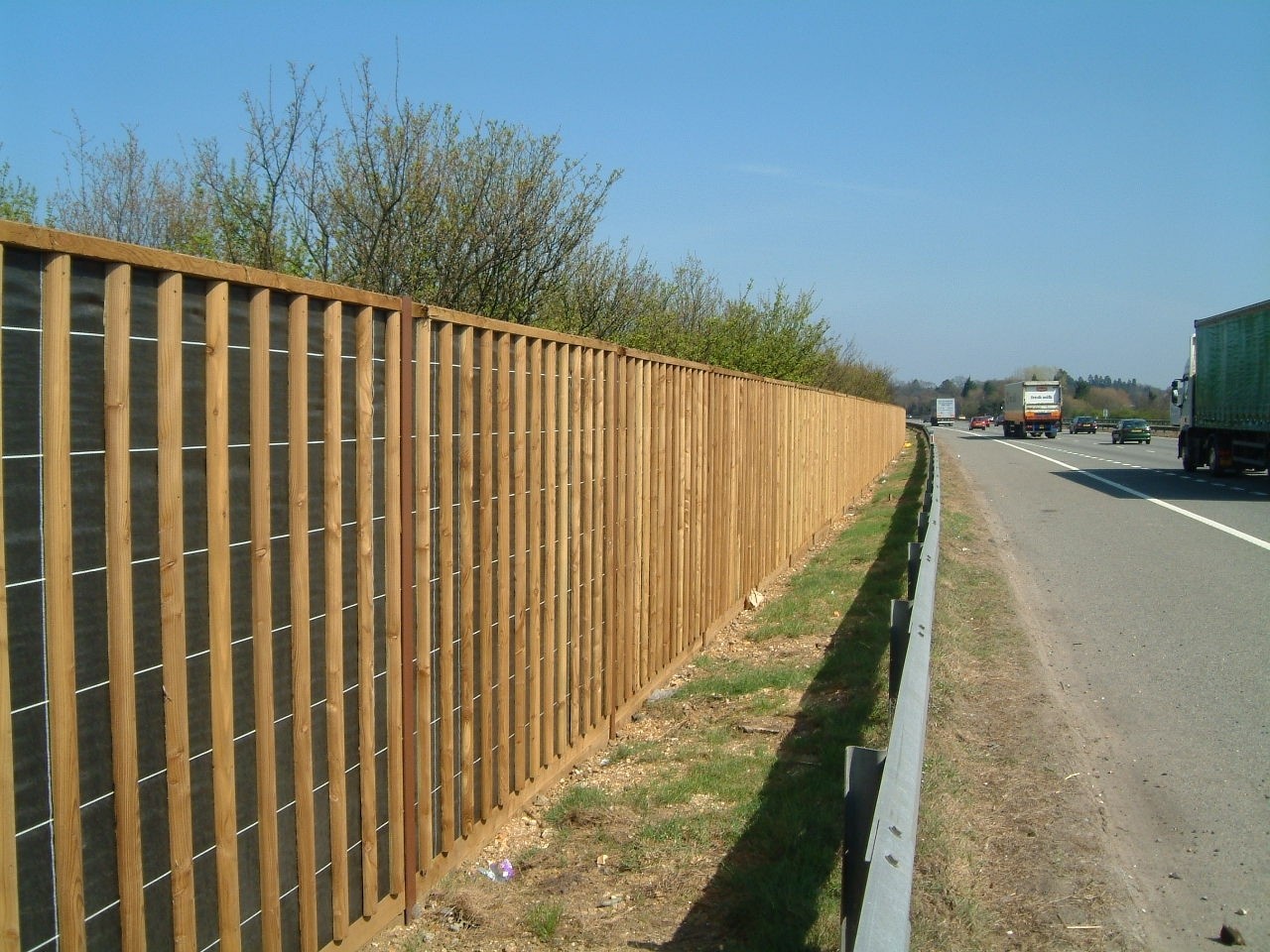
Trail Corridors (Linear Parks)
Continuous trail edge delineation, private property interface fencing, and sensitive habitat separation along multi-use trail systems — long linear runs with minimal site footprint.
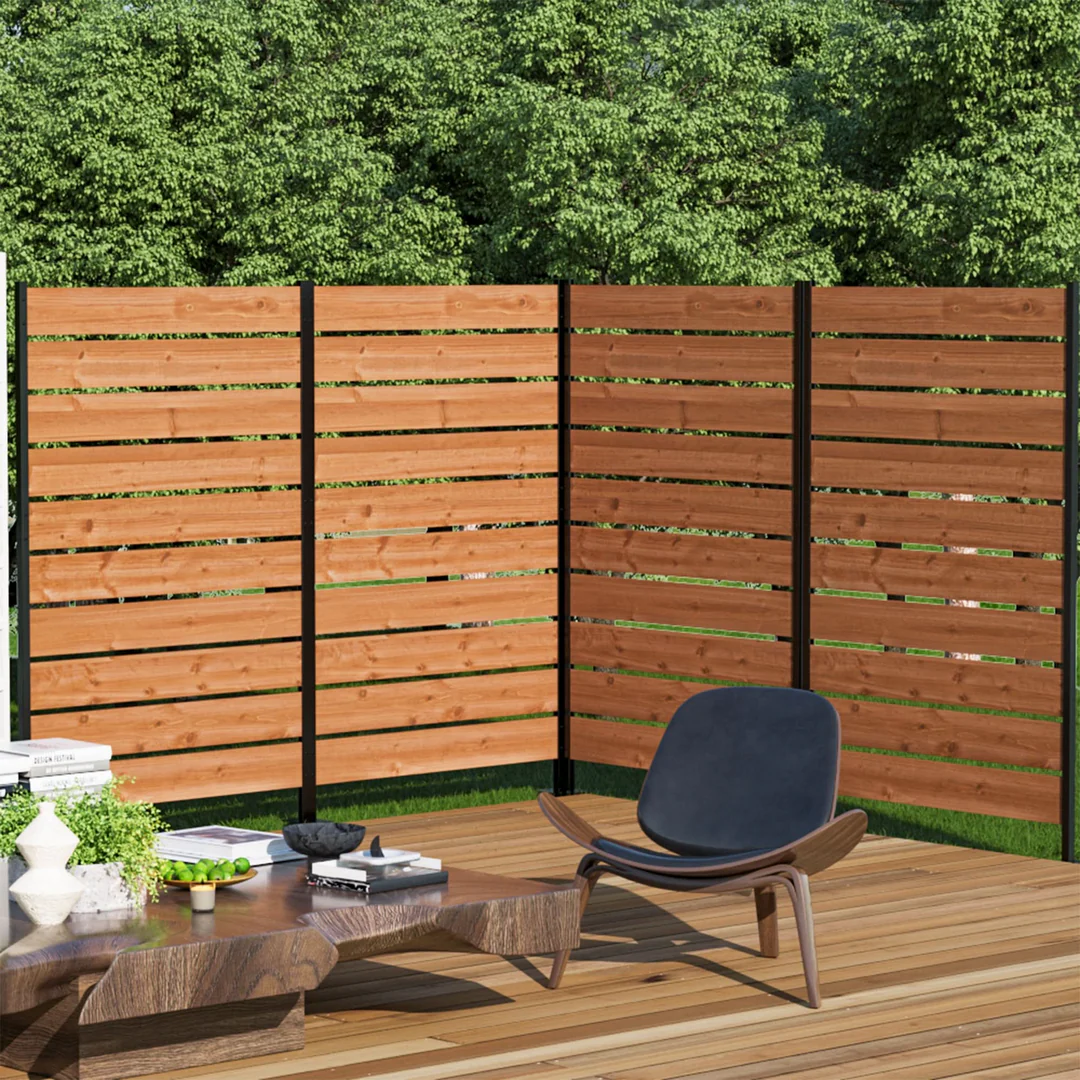
Civic Plazas & Streetscapes
Contemporary hog wire panels in steel post-and-rail frame for high-design public spaces — horizontal or vertical grid, custom heights, powder-coat color-matched to project palette.
Installation on Active Public Sites
Field Coordination Built for Public Projects
Public project sites present unique field coordination challenges that residential fence contractors are not equipped to handle. Our crews are trained and experienced in:
Warranty Coverage
All Warranties Transferable to Project Owner
All warranties are transferable to the project owner upon substantial completion and provided in written form as part of the project closeout package. Extended warranty options available for specified projects.
Workmanship (Labor)
Welded Wire Mesh — Class 3 Galvanized
Wire Coating — PVC over Galvanized
Western Red Cedar Posts & Rails
Gate Hardware — Parts & Labor
Steel Posts
Helical Anchor
PROCESS STEPS
What to Expect From First Contact Through Closeout
Frequently Asked Questions
For Project Managers
The spec says "welded wire fence" — is that the same as hog wire?
Yes — "welded wire fence," "hog wire fence," "wire mesh panel fence," and "stock panel fence" all refer to the same system: welded wire grid panels in a post-and-rail frame. The controlling CSI section is 32 31 29. The key variables to confirm from the spec are wire gauge, grid opening size, panel height, post material, and coating type. We review all of these with you before bid day so your scope letter and price reflect exactly what the spec requires.
The project is in a riparian buffer zone — are there special requirements?
Yes, and this is where most fence subs create problems for GCs on park and natural area projects. Riparian buffer installations typically have agency permit conditions restricting post treatment chemicals, requiring helical post installation instead of concrete footings, and specifying minimum mesh opening sizes for wildlife passage. We review the permit conditions with you before bid and mobilization, select compliant materials, and document all environmental compliance measures in the field record.
Can you match the hog wire style to an existing fence or a specific design aesthetic?
Yes. We carry multiple grid patterns (4"×4", 4"×2", 2"×4"), wire gauges (9 ga and 6 ga), panel heights, post species options, and coating colors (galvanized, black PVC, dark green PVC, brown PVC). For design-board-specified projects, we provide material samples, color chips, and a sample panel mock-up for owner/A&E review before fabrication and installation.
Does hog wire fence qualify for LEED credits on public projects?
It can contribute to several LEED credits. Steel welded wire panels contain significant recycled content (documentation available on request). When paired with FSC-certified cedar posts and rails, the system can contribute to LEED MR credits for certified wood. We provide all required recycled content letters, FSC chain-of-custody documentation, and regional materials sourcing data as part of our submittal package for LEED-tracked projects.
What is the lead time from NTP to mobilization for hog wire projects?
For standard configurations (9 ga, 4"×4", galvanized or black PVC), material is typically available within 2–3 weeks from approved submittals. For custom grid patterns, non-standard heights, or specialty coatings, we advise on lead time at bid scope review so it is factored into your project schedule from the start.
Downloads
Project Resources
Product Catalog
Hog Wire Fence Catalog
ASTM A185 / A82 material specifications
Grid pattern options with dimensions
Post species & treatment selection guide
Coating system reference (galvanized & PVC)
Environmental compliance documentation guide
LEED credit documentation overview
Configuration drawings — all standard options
Submittal-ready product data sheets
Capabilities
Capabilities Statement
Company overview & public sector focus
NAICS codes & license information
Bonding capacity (single/aggregate)
Completed public project references
Key personnel & certifications
Environmental & LEED compliance capabilities